Send this site a contract on a Monday. By Friday, the redlined budget is back on your desk.
Hamilton Medical Research Group is an independent Phase II to IV clinical trial site in Hamilton, Ontario, and it runs on Lodestar — an operations system the site built for itself and has used every working day since 30 March 2026.
A sponsor choosing a site is really deciding how much of its own staff’s time that site will consume over the next two years. The feasibility call discusses enrolment. What decides the two years is smaller and duller than enrolment: how long a redlined budget sits on somebody’s desk, whether the delegation log is current, whether a calibration certificate can be produced on the morning a monitor asks for it.
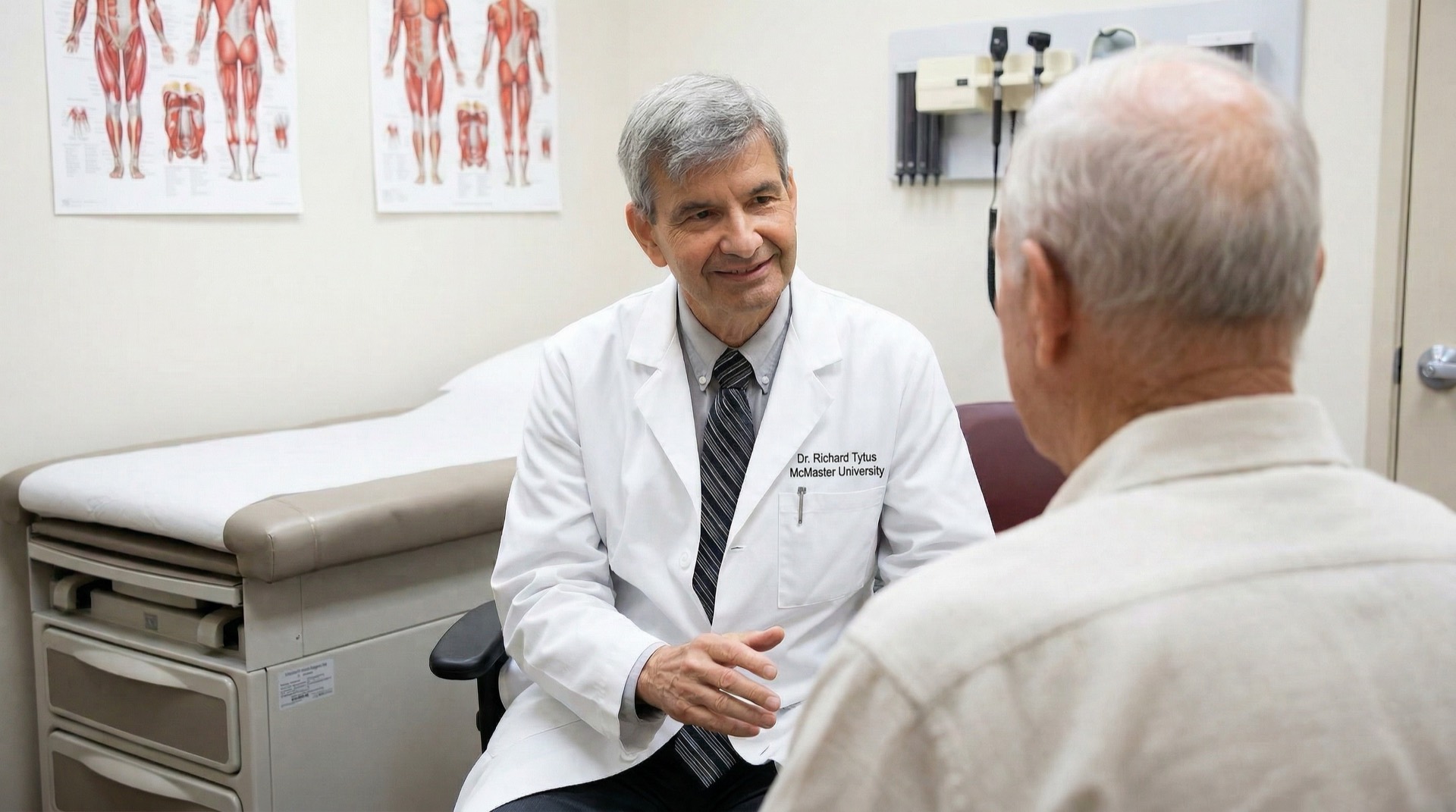
Hamilton Medical Research Group was founded by Dr. Richard Tytus, a family physician with more than 30 years of continuous clinical research. The site is at 304 Victoria Ave N in Hamilton, Ontario — 45 km from Toronto — and it runs Phase II to IV trials. None of that is unusual. What is unusual is that the site keeps the record of all those small, dull things in one place, and that the place was built in-house by the people who have to use it.
It is called Lodestar. It is not sold to anybody, and there is nothing on this page to buy. It is simply how this site is run — and a sponsor is entitled to know how a site is run before it signs a contract with one.
Eleven things a sponsor should know about how this site is run
Across the 36 contract and budget rounds on record since the site opened, HMRG’s reply to a sponsor’s draft came back in a median of four days. That number is measured rather than estimated, and it counts every round, the quick ones and the slow ones alike.
Every commitment the site makes to a sponsor is written down on the day it is made, with a due date and a person’s name beside it. Nothing at this site depends on somebody remembering.
The state of every study’s paperwork — contract, budget, ethics approval, regulatory package — is known at all times, without anyone having to ask. A sponsor who wants to know where something stands is told where it stands, rather than told that someone will find out.
A new study is weighed against the coordinators’ real calendar before it is accepted. If the site cannot staff a trial properly, it says so during feasibility instead of discovering it after activation.
Every investigator’s and coordinator’s certification is tracked against its expiry date, so a lapsed certificate is renewed before a monitor finds it.
Every piece of equipment’s calibration certificate is on file and can be produced for an audit in one click.
Investigational product is stored under continuous temperature recording. An excursion is handled according to the study’s own manual, and documented.
Every invoice is built from the visits that actually happened, and every sponsor payment is reconciled against it line by line. A sponsor is not billed for a visit that did not take place, and a short payment is not discovered a quarter later.
The system holds no patient data. Operational metadata only. The medical record stays in the clinic’s own systems, where it belongs.
Staff sign in with their existing work account, and what each person is able to see is tied to their role.
It was built in-house, by the people who use it, and it has run the site’s active trials every day since 30 March 2026. It is not a product. It is how the site is run, and it is the reason the ten facts above are facts rather than intentions.
None of this makes a trial enrol faster. It makes the rest of the trial stop costing you time.
Hamilton Medical Research Group
304 Victoria Ave N, Hamilton, Ontario · Phase II to IV
Staff sign in at lodestar.hmrg.org